

Table of Contents
ToggleKey Takeaways
Improving your stairs requires a careful balance of aesthetic design, safety, and technical precision to ensure a lasting addition to your home. Consider these critical factors for your upcoming project:
- Prioritize slip-resistant materials to keep your family safe during daily commutes.
- Choose flooring that respects the historic architecture common throughout Pasadena.
- Ensure all installations calculate tread depth and riser height for code compliance.
- Use robust adhesives to withstand the heavy wear stairs endure over time.
- Maintain your floors with appropriate, surface-specific cleaning routines.
Prioritizing safety for your staircase makeover
Updating your stairs is more than a design decision; it is a structural commitment to the safety of everyone in your home. When you consider stair flooring in Pasadena, the primary focus should always remain on how the surface performs under foot traffic. A well-planned renovation helps mitigate risks while enhancing the visual appeal of your entry or hallway.
The importance of slip-resistant surfaces
Safety begins with selecting textures and materials that provide reliable traction. While polished wood or smooth vinyl looks beautiful, they can become hazards if they lack an element of friction. Choosing a non-slip stair flooring Pasadena solution doesn’t mean sacrificing style, as many modern finishes incorporate subtle textures that grip well without looking industrial.
Addressing local staircase code requirements in Pasadena
Building codes are designed to protect residents, and your staircase must meet specific standards for height and depth uniformity to prevent falls. When planning your upgrades, it is essential to work with professionals who understand exactly how to navigate these municipal requirements. Relying on an expert ensures your project remains within legal parameters while potentially improving the overall utility of your stairs.
Adding integrated lighting for improved visibility
Good visibility is the best defense against tripping on stairs, especially during the evening hours. Installing LED stair lighting can transform a dark flight of stairs into a highlighted architectural feature while making each tread clearly distinct. This addition is particularly effective in homes with curved or narrow treads where depth perception is naturally challenged.
Using stair nosing to prevent trip hazards
Stair nosing acts as a vital protective edge that covers the joint between your riser and tread, adding an extra layer of grip where your feet usually land. Properly installed nosing prevents your flooring from lifting over time and provides a high-contrast boundary that defines the end of each step. This simple addition remains one of the most effective ways to secure staircase flooring in high-traffic areas.
Selecting the right materials for stair flooring in Pasadena
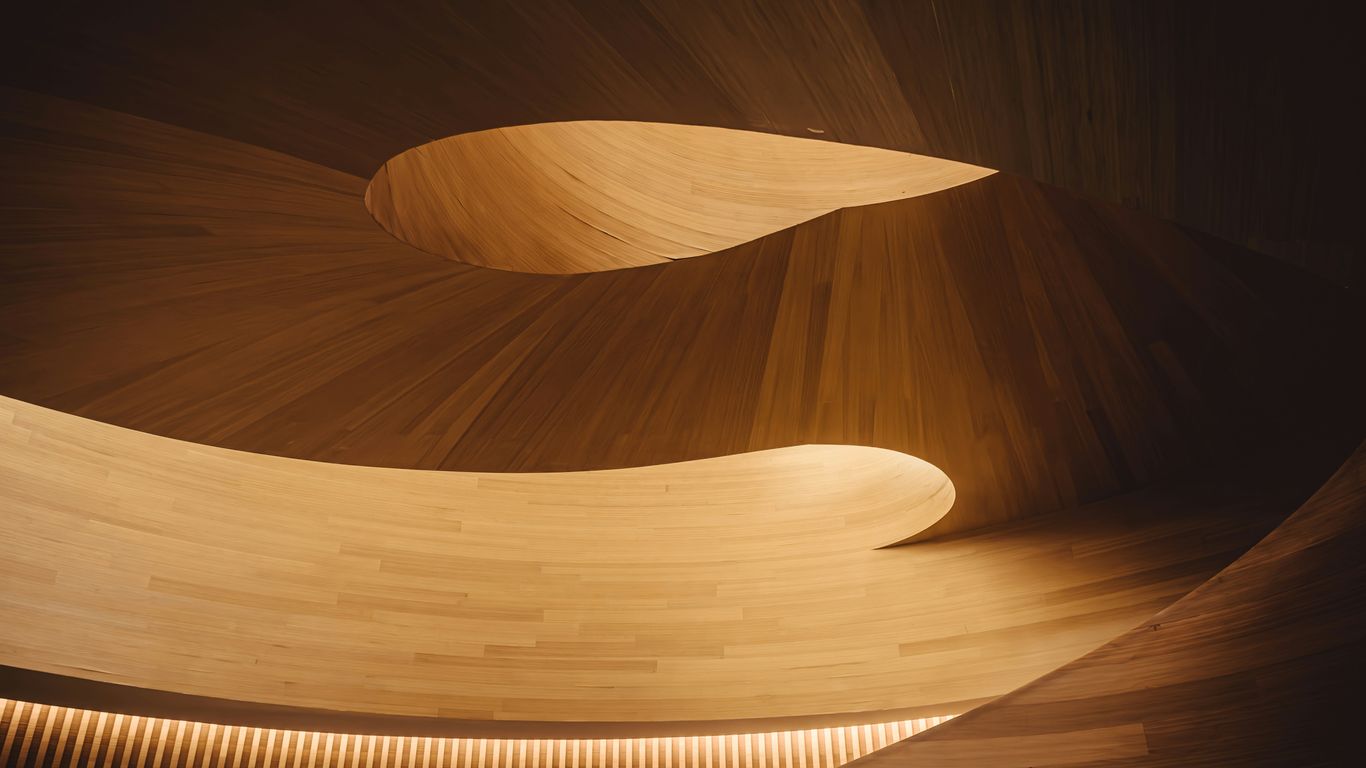
Finding the perfect material for your stairs depends on your household’s lifestyle and the long-term aesthetic you hope to achieve. Whether you are looking for soft comfort or durable hard surfaces, today’s options provide remarkable versatility for homeowners across Los Angeles County flooring. Carefully considering your usage patterns ensures that you get the most value out of your investment.
Hardwood flooring for timeless elegance
Hardwood remains the gold standard for stairs due to its longevity and classic appeal. While it is susceptible to wear, choosing a high-quality hardwood ensures that the material can be refinished multiple times over the decades. Carpet Wagon Glendale, Inc. provides professional guidance on selecting species that handle the climatic shifts we see in Southern California.
Carpet runners for acoustics and comfort
Carpet runners are an excellent way to soften the sound of footsteps and provide a comfortable grip for those walking barefoot. They also offer a unique opportunity to introduce patterns or colors to an otherwise neutral hallway. You can customize the look significantly, making them a popular choice for homeowners who want to balance sound reduction with comfort.
Luxury vinyl planks for high-traffic durability
Luxury vinyl is quickly becoming a favorite for busy households due to its incredible resistance to moisture and scratches. It mimics the look of natural wood while offering a lower maintenance burden, making it ideal for stairs that see heavy daily use. The following table highlights common performance characteristics to help you evaluate your options:
| Flooring Type | Durability | Maintenance Level | Best For |
|---|---|---|---|
| Hardwood | High | Moderate | Traditional Homes |
| Carpet Runner | Medium | High | Comfort/Noise |
| Luxury Vinyl | Very High | Low | Busy Families |
Selecting the right product involves weighing these benefits against your specific daily requirements.
Evaluating moisture-resistant options for Southern California homes
Our local climate can be tricky, with humidity levels fluctuating throughout the seasons and impacting how materials expand and contract. Selecting moisture-resistant flooring helps maintain the integrity of your stairs, preventing warping or damage that might otherwise occur. Choosing stable products is key to long-term success in our environment.
Designing stairs to complement Pasadena architecture
Integrating new stairs into a home requires a deep appreciation for its existing character and structural history. Whether you own a classic Craftsman or a mid-century modern home, your floor choices should feel like a natural extension of the building’s design story. Achieving this harmony makes your home feel cohesive and intentional.
Matching wood species to original Craftsman features
Craftsman-style homes are known for their warm, rich wood tones and attention to detail. When renovating your stairs, selecting a wood species that echoes the grain and color profile of your original trim work helps maintain the architectural integrity typically associated with this historic style.
Selecting textures for Spanish Revival interiors
Spanish Revival homes often feature terracotta or dark, character-rich woods that add depth to the interior. Selecting textures that feel organic and earthy goes a long way in ensuring your stairs fit right into the room’s design palette. Adding a decorative tile to the riser can also be a nod to this timeless aesthetic.
Implementing modern design elements for contemporary remodels
For contemporary homes, you might consider sleek designs or bold, minimalist materials that define the space. Many homeowners are now choosing to emphasize clean lines and simple finishes to create a striking centerpiece that feels at home in a modern layout. Using high-contrast colors can help highlight the geometry of the staircase in an elegant way.
Coordinating stair finishes with rest-of-home flooring
Consistency is essential for creating a uniform look throughout your living space. When you book a free consultation with our team, we help you evaluate how different flooring samples interact with the flow of your existing rooms. This coordination avoids the feeling of fragmented design and allows for a fluid transition from the stairs into your entryway.
Understanding stair-specific technical requirements
Technical precision is the backbone of any successful staircase installation, ensuring that every step feels safe and consistent. Even a minor oversight in measurements can result in a staircase that is uncomfortable or, worse, dangerous to navigate. Focusing on the details ensures that your floor repair in Los Angeles or renovation project goes smoothly.
Calculating consistent tread depth and riser height
Consistency is the rule when it comes to stair geometry, as the human brain expects each step to be identical. Variations of even half an inch in riser height can lead to trips, so precise measurement is non-negotiable. Experienced installers verify these dimensions multiple times before cutting any materials.
Evaluating the structural needs of stair treads
Your stair treads must support significant weight and resist deflection over years of use. If your existing stairs feel spongy or creaky, it is time to address these underlying structural issues before laying down new finishing materials. Stability is non-negotiable for a safe and durable staircase in any family home.
Managing thresholds between the stairway and transition areas
Transitioning from your stairs to the landing or hallway creates a unique challenge for floor installation. You need to manage the floor height carefully so that your new stair flooring does not create an uneven ridge where it meets your existing floor surfaces. Achieving a level finish requires professional-grade transition strips that are both durable and subtle.
Installing proper trim for a seamless finish
Trim work serves as the final touch that gives your stairs a professional, finished appearance. It masks the gap between your flooring and the surrounding walls, providing a neat barrier that also hides minor expansion joints. You might consider these steps for a polished look:
- Measure the wall-to-stair profile accurately to ensure tight cuts.
- Apply a flexible adhesive that accounts for minor structural movement.
- Secure the trim with finish nails and use wood filler that matches your flooring.
Properly applied trim prevents dust accumulation and elevates the entire look of the staircase.
Installation essentials for high-traffic staircases
Installation methods play a huge role in determining how well your stairs will perform once they are in place. Because stairs endure constant, concentrated force, the way they are anchored and sealed must be nothing short of industrial-grade. Professional installation is often the safeguard you need to ensure these materials remain securely attached for years.
Choosing between professional installation and DIY approaches
While do-it-yourself projects can be satisfying, structural installations like stairs require a high degree of technical skill. Professional installers have the specialized tools to guarantee that every tread is level and securely fastened. Relying on experts reduces the chance of long-term structural failures that might cost more to repair later.
Preparing subfloors for long-term stability
Any finish is only as good as the subfloor supporting it, and stairs are no exception. Ensuring that the plywood or wood base is clean, level, and free of squeaks is the first step toward a perfect result. A solid foundation prevents shifting that can cause wear on your finish and noise during use.
Ensuring industrial-grade adhesion for materials
Stair flooring needs to stay put, and high-strength adhesives are essential for preventing the movement that leads to premature wear. Your installer will use specialized bonding agents that are specifically tested for vertical and horizontal surfaces. This level of attention to adhesion is critical for maintaining the safety of your staircase.
The impact of expert craftsmanship on long-term safety
Expert craftsmanship goes beyond just placing materials; it involves anticipating how wood, carpet, or vinyl will react to the wear and tear of a busy household. Skilled installers understand the nuances of material installation that prevent future issues. The quality of work directly correlates to how long you will enjoy your beautiful new stairs.
Maintaining your new staircase flooring investment
Keeping your stairs in great shape requires consistent effort, but focusing on the right routines changes the game. By establishing a schedule that addresses the unique needs of your specific flooring, you can extend its life significantly. A little care goes a long way in protecting your home against the daily grind.
Routine cleaning methods for high-traffic zones
For most flooring, a simple routine of sweeping or vacuuming with a soft brush attachment is enough to prevent grit from scratching the surface. Avoiding excess water is key, especially if you have wood or laminate, as moisture can easily seep between joints. Keeping the stairs free of debris helps preserve the finish for much longer.
Protecting hardwood against scratches and wear
Hardwood requires specific care to stay looking clean and scratch-free, particularly on the edges where wear is most concentrated. Using felt pads under heavy objects or adding a decorative runner can provide a layer of protection that keeps the wood pristine. Wiping up spills immediately is the most vital instruction for wood longevity.
Managing potential pile crushing in carpet runners
Carpet runners in heavy-traffic areas eventually deal with pile crushing, where the fibers lose some of their height. You can mitigate this by having the runner professionally cleaned occasionally and using quality padding underneath. A pad provides support that prevents the fibers from being compressed against the stiff stair tread.
Long-term care for luxury vinyl surfaces
Luxury vinyl is easy to maintain, but you should still use pH-balanced cleaners designed specifically for synthetic floors. Avoid steam cleaners at high temperatures, as they can sometimes damage the factory-applied finish. With minimal effort, your vinyl stairs can retain their original sheen for the entire lifespan of the product.
Conclusion
Investing in a staircase makeover tailored to your home is an excellent way to elevate your living space while ensuring safety and functionality. By choosing the right materials, prioritizing professional installation, and keeping up with a simple maintenance schedule, you can enjoy beautiful stairs for decades. Now is the perfect time to explore your options and create a staircase that truly represents the heart of your home.
Frequently Asked Questions
How often should I refinish my staircase flooring?
Hardwood stairs generally need to be refinished every 7 to 10 years, depending on the level of wear and the type of finish applied. If you notice signs of surface dulling or exposed wood, it may be time to consult with an expert.
Can I install flooring myself if I have experience?
While those with advanced home improvement skills can attempt this, stairs involve complex angles and technical safety codes that make professional help highly recommended. A mistake in stair geometry can pose a significant trip risk for your household.
Are there specific materials best suited for pet-friendly homes?
Luxury vinyl and high-quality laminate are excellent options for pet owners because they provide superior scratch resistance and are easy to clean. If you prefer hardwood, choosing a harder wood species with a durable matte finish can also work well.
How do I handle squeaky stairs during a floor renovation?
Squeaky stairs are usually caused by friction between tread and riser boards. During a renovation, you can silence them by tightening the fasteners, adding wood shims from the underside, or using a specialized screw system designed to stabilize stair components.
Can I mix different flooring types on my stairs and landing?
Yes, mixing materials can be a stylish way to define spaces. However, you must carefully plan the transition areas to ensure that the change in thickness between the two floor types does not create a tripping hazard.
What should I look for in a stair nosing product?
Look for a nosing profile that complements the material you chose for the tread, ensuring it is durable and offers a non-slip edge. It should be securely fastened according to the manufacturer’s instructions to ensure it remains stable underfoot.
Why does climate impact my flooring choice in Southern California?
Fluctuations in temperature and humidity in Los Angeles County can cause natural wood to expand and contract significantly. Choosing engineered products or ensuring your home has stable climate control helps prevent issues like cupping, buckling, or large gaps in your flooring.