

Table of Contents
ToggleKey Takeaways
Designing a beautiful fireplace area requires balancing aesthetic appeal with strict adherence to safety standards, especially when considering regional climate and building requirements. Use this overview to guide your material selection and planning process.
- Local building codes necessitate non-combustible materials for hearth extensions.
- Natural stone remains a timeless choice, though it requires specific sealing maintenance.
- Porcelain tiles offer high versatility and heat resistance for various design styles.
- Concrete floors bring a modern industrial touch but demand proper insulation techniques.
- Safe transitions between hearth materials and flooring protect adjacent wood or vinyl planks.
Safety regulations for fireplace flooring in Glendale
When you start your living room remodel Glendale project, safety should be at the forefront of your decision-making process. The area directly in front of your hearth is the primary line of defense against stray sparks and intense heat, making the choice of material critical for protecting your home. As an experienced flooring professional, I always emphasize that local regulations ensure your family stays safe while you enjoy the warmth of a fire in your living space.
Adhering to local building codes
Before you select specific materials, check the current residential code for your property. Building authorities in this area have specific mandates for fireplace flooring in Glendale to prevent potential fire hazards. These codes dictate the exact size and construction requirements for your hearth to ensure it remains a reliable barrier against fire.
Importance of non-combustible material ratings
Using non-combustible living room flooring is not just a recommendation; it is an essential requirement for hearth safety. You must choose materials rated to withstand consistent exposure to heat without igniting or releasing toxic fumes. Natural stones, ceramics, and concrete are generally the top choices for this reason.
Measuring the required hearth extension
Your hearth extension must extend a specific distance from the fireplace opening, depending on its firebox size. Measuring correctly is vital because a hearth that is too shallow will not catch rolling embers, putting your primary flooring at risk of permanent burn marks. Always double-check your firebox dimensions before finalized planning.
Avoiding flooring damage from heat transfer
Heat transfer is a hidden danger that can warp or melt nearby materials like hardwood or vinyl. To prevent this, you should incorporate a thermal barrier between the hearth and your finished floors, a detail our team at Carpet Wagon helps homeowners navigate regularly. The installation techniques used by professionals ensure a long-lasting, safe area that survives the intense heat cycles of winter use.
Classic stone hearth materials
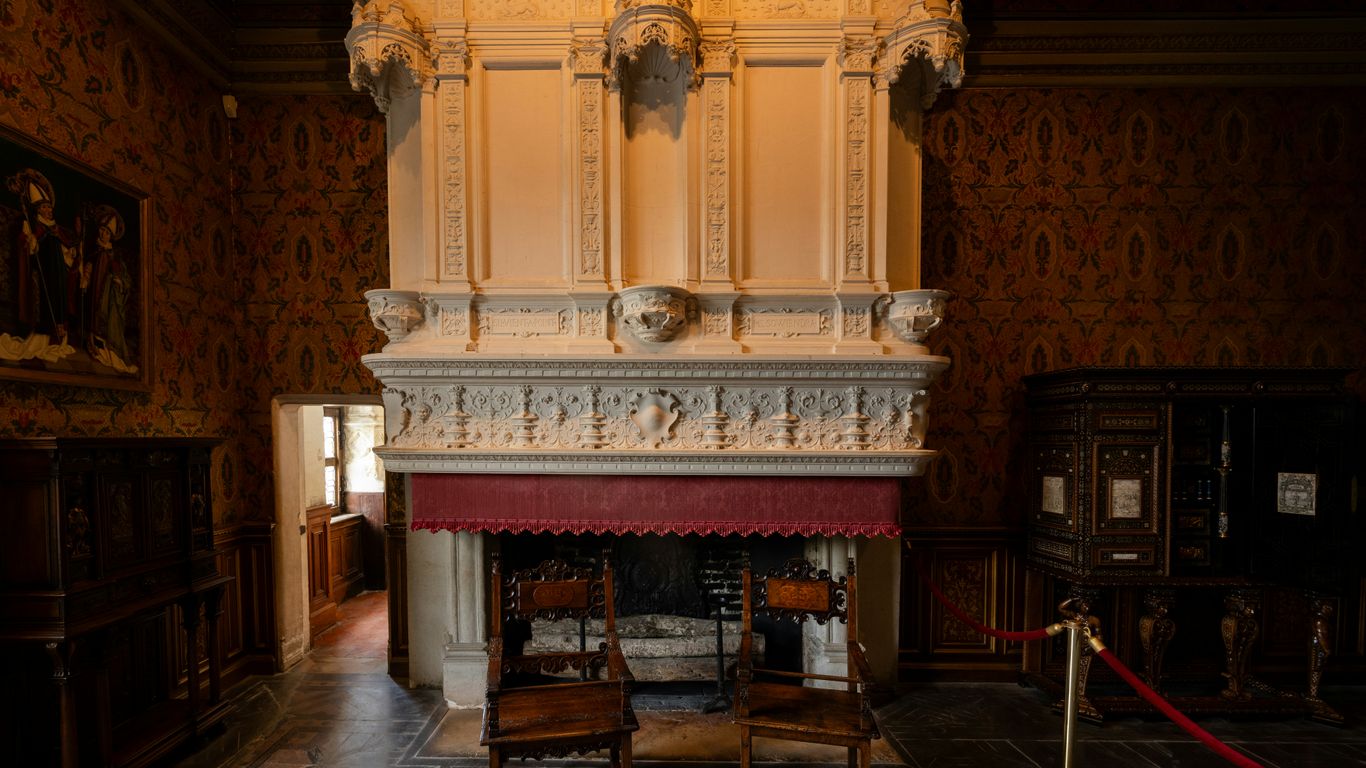
Natural stone provides an unmatched sense of permanence and depth, serving as a grounding element for any home. When considering materials for your hearth, stone often stands out as the standard of luxury and durability. Whether you prefer the rustic texture of slate or the refined finish of polished marble, there is a stone variety to suit every decor style in Southern California.
Natural slate for durable elegance
Slate is an excellent choice for a fireplace hearth due to its natural resistance to heat and durable, layered appearance. Because of its dark and earthy tones, it works exceptionally well in both traditional and contemporary settings, providing a consistent surface that hides small scratches and dust with ease.
Travertine for Mediterranean-inspired homes
If you reside in a sunny area like Southern California, travertine offers a warm, inviting palette that complements many local architectural trends. The natural pits and variations in the stone add character, though you should remember to have those voids filled during the finishing process to ensure a flat, easy-to-clean hearth surface.
Marble accents for a luxury finish
Marble is the classic choice for a high-end fireplace, reflecting light and adding a sense of brightness to any living room. When utilizing marble, it is essential to coordinate with experts to ensure the stone is thick enough to handle structural pressure and frequent heat variations. You can visit our Glendale flooring store page to explore how natural stone options fit into your home.
Sealing and protecting natural stone surfaces
Natural stone is porous, which means it can easily soak up liquid and soot unless it is finished properly. Applying a high-quality sealant is a non-negotiable step that keeps your stone looking pristine, even after years of use. For those who want to check our reputation for quality and service, look for our record with the Better Business Bureau before booking a consultation.
Tiles for versatility and style
Tiles are the most approachable option for homeowners desiring both function and a wide array of artistic expressions. They come in virtually any color, texture, or shape, making them a perfect candidate for custom fireplace designs that need to meet strict safety standards. By choosing the right tile, you can easily achieve the high-end look of natural materials while simplifying your daily maintenance routine.
Porcelain tile as a high-heat resistant choice
Porcelain is a powerhouse in the world of hearth flooring for its dense, fired composition that handles high temperatures effortlessly. It is less porous than ceramic, which makes it incredibly resistant to the soot and ash stains often found near fireboxes. Using resilient materials like this is often the best flooring around fireplace zones where functionality is the priority.
Patterned encaustic tiles for focal points
Encaustic tiles offer a playful way to turn your fireplace into the room’s main visual anchor. Because they are handcrafted or printed with bold patterns, these tiles can bring a historical and artisanal character to a contemporary space. While they are beautiful, consider the following factors when selecting them for high-traffic or high-heat areas:
- Surface porosity and the need for regular sealing.
- The pattern’s ability to hide soot or light ash accumulation.
- Installation complexity for irregular or large hearth areas.
- Compatibility with specific heat-rated thin-set mortars.
These design considerations help ensure your focal point remains as durable as it is visually striking.
Large-format tiles for seamless layouts
Using large-format tiles is a modern technique that minimizes grout lines, providing a cleaner and more continuous appearance. A single slab-like tile surface can make a smaller living space feel significantly more expansive and updated. To understand the different material impacts, you can often find reviews and feedback on our service through Yelp, which highlights client satisfaction.
Balancing grout maintenance with aesthetic impact
The color of your grout can make or break the design of a tiled hearth area. While bright white grout may look fresh upon installation, it can darken quickly near a fireplace, whereas charcoal or gray grouts offer a more forgiving aesthetic. Select a grout shade that complements your tile while standing up to the occasional stray spark and routine cleanup.
Modern and industrial design influences
Industrial design has shifted from niche urban lofts to mainstream residential projects, with a strong emphasis on raw materials. This trend often leans into the use of concrete and metal, which not only look sophisticated but also offer superior heat resistance for fireplace surrounds. These materials provide a bold contrast to softer fabrics and wooden elements common in local living areas.
Polished concrete for minimalist spaces
Polished concrete brings a sleek, cool factor to the living room that is hard to replicate with other materials. It is virtually indestructible and can be customized with various aggregate inclusions or color stains to match your overall home decor. For homeowners seeking a refined look, this material provides a continuous and low-maintenance hearth that holds up exceptionally well.
Stamped concrete textures for decorative appeal
If you prefer the look of natural materials but want the performance of concrete, stamping allows you to mimic the texture of slate, brick, or other stones. It gives you the artistic freedom to create a unique look without the cost or maintenance often associated with natural quarried products. You get the desired architectural texture while benefiting from the extreme durability of poured concrete.
Metal accents for industrial fireplace edges
Integrating metal, such as brass, steel, or aluminum, as a trim piece provides a crisp finish to your hearth edge. It acts as a protective buffer between the fireplace floor and your nearby carpet or hardwood, making it a functional upgrade for Los Angeles County flooring transitions. The following table provides a quick look at how different metal finishes perform regarding maintenance and longevity:
| Metal Type | Heat Resilience | Maintenance Required | Aesthetic Style |
|---|---|---|---|
| Stainless Steel | Very High | Frequent Polishing | Industrial Mod |
| Brushed Brass | High | Moderate Cleaning | Warm Traditional |
| Matte Black Steel | High | Minimal | Sharp Modern |
Selecting the right metal edge choice ensures your hearth looks finished and professional for years to come.
Ensuring proper insulation under concrete hearths
Concrete is a great thermal conductor, which means it can get quite hot if not installed with proper subfloor insulation. To prevent damage to the structure underneath, specialized underlayment boards are often used to create a buffer. Proper preparation ensures that your hearth remains cool to the touch at the edges, keeping your family safe while maintaining the intended high-end finish.
Integrating wood and luxury vinyl near fireplaces
Integrating softer finishes like luxury vinyl or wood near a fireplace requires extra planning to ensure compliance with code and longevity. Because these materials are sensitive to heat, you must create a protective border that manages the distance from the firebox effectively. With the right transition strategies, you can achieve a sophisticated and cohesive floor plan in your living room.
Maintaining safe distances with decorative borders
Building a stone or tile border acts as a mandatory thermal gap between the firebox and the rest of your home flooring. This buffer gives you a design opportunity to use contrasting materials that highlight the fireplace as an architectural feature. It is a smart way to ensure that your chosen flooring lasts as long as possible without risk of heat damage.
Choosing heat-stable luxury vinyl plank
Luxury vinyl plank has become a major favorite for home renovations due to its resilience and waterproof characteristics. When used near a fireplace, however, it is important to select high-quality products that are explicitly rated for stability under varying temperatures. This keeps your floors looking brand new, even as the seasonal temperature changes in the room.
Combining materials with safe transition strips
Using a professional transition strip is the secret to a seamless and safe floor design where stone meets vinyl or hardwood. These strips ensure that there is no trip hazard and that the gaps between materials accommodate natural expansion. Our expertise in floor repair in Los Angeles ensures transitions remain stable and flush, providing a finished look that stands up to heavy foot traffic.
Protecting adjacent wood from stray embers
Higher-quality wood floors are often finished with sealants that can be compromised by direct spark contact. Always maintain a sufficient hearth extension to ensure that the floor surface remains protected even when you are using a fireplace with an open door. Taking this preventative approach saves you from needing partial floor replacements later.
Professional installation considerations
Renovating a fireplace hearth is more than just tiling a small surface; it is a complex structural task that requires precision. Whether you are dealing with an uneven subfloor or need to match the height of your new hearth with existing flooring, professional guidance is invaluable. A correctly executed project ensures that your investment adds real value to your home rather than creating future headaches.
Preparing for a hearth renovation in a Glendale home
Begin your process by accurately assessing the condition of your existing fireplace frame. You need to verify if the previous hearth was installed correctly according to modern, relevant codes before starting a remodel. A thorough preparation phase is the most important step in ensuring your new materials set properly.
Evaluating existing subfloor conditions
If your subfloor is uneven or damaged, it will cause your new hearth tile to crack over time. A professional should evaluate the structural integrity beneath your fireplace, especially in older homes, to determine if reinforcement is needed. This step is critical for avoiding long-term settling issues.
Matching transition heights for a level floor
Creating a level surface from your hearth to your hardwood or luxury vinyl planks requires careful measurement of the thin-set and tile thickness. When these heights don’t match, you end up with awkward lips or gaps that detract from the overall aesthetic of your living room. An experienced installer will ensure the transition remains subtle and safe.
Selecting a contractor experienced in custom hearth work
Custom hearth work requires a specific skill set compared to general floor installations. You need an expert who understands both heat-resistant mortar and local building standards. Selecting a reputable company guarantees that your fireplace upgrade is handled with the care and precision needed for such a permanent, high-focus architectural element in your home.
Conclusion
Choosing the right materials for your fireplace floor is a rewarding way to improve both the safety and the aesthetic of your home, blending local building standards with your unique sense of style. By prioritizing heat-resistant options like natural stone or porcelain tile, and ensuring proper installation with seamless transitions, you can create a beautiful focal point that serves your family for years, so consider reaching out to our team at Carpet Wagon to begin the design process.
Frequently Asked Questions
Does my fireplace hearth need to be made of stone?
No, many materials are acceptable as long as they are rated as non-combustible and meet local code specifications for heat resistance.
Can I put tile directly over my old hearth surface?
It depends on the condition and levelness of the existing material, as well as its adherence to current structural and safety requirements.
How wide should my fireplace hearth extension be?
The required width and depth of your hearth extension are dictated by local building codes and the size of your firebox opening.
Is polished concrete a safe choice for a fireplace area?
Yes, provided that it is installed with proper insulation underneath the concrete to manage heat transfer to the subfloor.
Should I worry about grout color near the fireplace?
Yes, choosing a grout color that resists staining from soot and ash is essential for maintaining the visual appeal of your tile hearth.
Can I install luxury vinyl plank up to the fireplace edge?
Generally, you should use a protective hearth border of tile or stone to prevent direct heat exposure before transitioning to luxury vinyl.
What is the purpose of a transition strip?
A transition strip bridges the gap between two different flooring materials, ensuring a smooth, level, and safe edge that prevents tripping.