


Table of Contents
ToggleKey Takeaways
Protecting your home from the damp environment often found in sub-grade spaces is essential for a successful renovation. These five points summarize the best approach for basement flooring in Los Angeles.
- Prioritize materials with inherent waterproof qualities to handle seasonal humidity.
- Always test subfloors for moisture emissions before starting any installation.
- Use a proper vapor barrier to decouple flooring from the concrete slab.
- Avoid organic materials like traditional hardwood or standard carpet that absorb moisture.
- Partner with an experienced local professional to ensure compliance with quality standards.
Understanding moisture challenges in Los Angeles homes
The impact of coastal fog and regional humidity
Even in a dry climate like Southern California, basements often face a unique set of moisture-related issues. The marine layer and coastal fog that drift throughout cities like Santa Monica and Long Beach can significantly influence the humidity levels within your home. When outside air with high moisture content enters a basement, it can condense on cooler foundation walls and flooring surfaces, leading to stagnant humidity that degrades inferior materials over time.
Identifying signs of water intrusion in substructures
Recognizing potential water damage early can save you from complex repairs later on. Look for white, chalky substances on foundation walls or a persistent damp, musty odor that lingers no matter how much you ventilate the area. If you notice localized darkening of the concrete or signs of peeling paint near the floor-to-wall joints, you likely have water intrusion that needs addressing from your floor repair in Los Angeles professional before moving forward with aesthetic upgrades.
Why standard residential flooring often fails in basements
Many common interior flooring options simply aren’t engineered to withstand the unique environment of a sub-grade room. Traditional hardwood is prone to warping and cupping when exposed to even minor humidity fluctuations, and standard carpet often acts as a sponge for any ambient moisture. Choosing the best basement floor material Los Angeles experts recommend is crucial, as it ensures your investment remains intact despite the constant pressure from groundwater or shifting temperatures.
Top flooring materials for moisture-prone areas
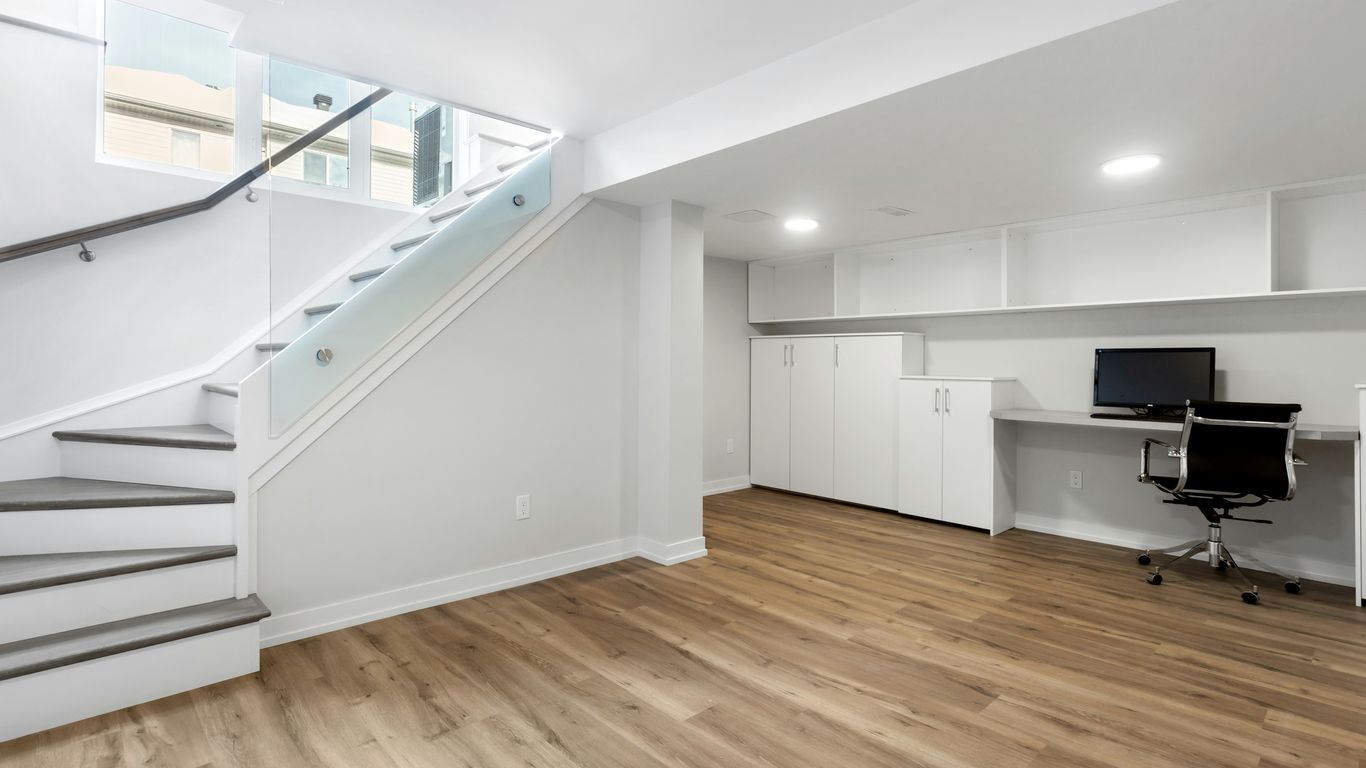
Luxury vinyl plank for total waterproof protection
Luxury vinyl plank is widely considered the gold standard for basement renovations due to its composition and ease of installation. These planks provide a realistic look, mimicking natural hardwoods without the risk of moisture absorption. Many homeowners in Glendale and Burbank prefer this option for its durability and maintenance-free profile, which performs reliably in high-traffic, below-grade living spaces.
Ceramic and porcelain tile as a durable choice
If you prefer a cool, solid surface, tile remains a formidable contender. Porcelain and ceramic options are impervious to water when properly glazed and sealed, making them ideal for areas that might experience occasional dampness. Because they are installed with mortar to the subfloor, they offer a permanent, non-porous finish that stands up to all kinds of basement accidents.
Polished concrete for a modern, industrial look
For an aesthetic that is both contemporary and functional, polishing your existing concrete slab is a fantastic choice. This process essentially turns your foundation into a finished floor, eliminating the need for additional layers that could trap moisture underneath. It is exceptionally hard-wearing and requires minimal maintenance, though it can feel quite cold unless you incorporate radiant heating components during the treatment.
Rubber flooring for gym or storage utility
Rubber is a fantastic material for utility-focused basement rooms where comfort and protection are top priorities. It resists mold, mildew, and moisture damage while providing excellent shock absorption, which makes it perfect for a heavy-duty home gym. Because it can be installed in interlocking tiles, it allows for some breathability and is easy to replace if a section ever becomes damaged.
Essential subfloor preparation and vapor barriers
Testing the concrete slab for moisture emissions
Before you lay down any new material, you must verify the condition of the foundation. A simple moisture test will reveal if your slab is releasing trapped moisture, which could cause your new floor to fail prematurely. You can find more of our insights on maintaining high standards for your home via our Glendale flooring store resources, where we emphasize the importance of starting on a solid, dry foundation.
Installing the correct vapor retarder or barrier
Even if your floor is marked as waterproof, a physical vapor barrier acts as a vital safety net. This layer prevents moisture vapor from passing through the concrete to reach the underside of your flooring, effectively neutralizing the "wicking" effect of concrete. We recommend:
| Preparation Step | Purpose | Action Required |
|---|---|---|
| Surface Inspection | Check for cracks or spills | Deep clean floor |
| Moisture Testing | Monitor vapor emission | Use calcium chloride kit |
| Barrier Placement | Prevent vapor transfer | Install heavy duty plastic |
It is essential to follow through with these preparatory steps, which often include the following:
- Thoroughly sweep and vacuum the slab to remove all loose grit.
- Apply a professional-grade filler to any structural cracks in the concrete.
- Level out any major dips that could cause shifting or clicking.
- Verify the pH balance of the slab to ensure compatibility with adhesives.
Leveling uneven concrete surfaces for proper bonding
Uneven floors not only look poor but can also create stress points where moisture could potentially seep through. A self-leveling compound can be poured over the slab to provide a perfectly flat canvas. Carpet Wagon prides itself on precision during this stage, utilizing our extensive local experience to prepare your Los Angeles County flooring project to last for years.
Addressing cracks and mold mitigation before installation
Mold is a common concern in sub-grade spaces, so addressing any existing growth before you move forward is critical. We use specialized techniques to seal cracks, preventing any future moisture paths that could promote fungal growth. Ensuring the room is fully mitigated helps maintain a healthy indoor environment and protects your new flooring from damage below the surface.
Best practices for installing basement-grade flooring
Allowing for proper acclimation to local temperatures
Just like wood or other materials, your new floors need to get used to your home’s unique climate before being permanently secured. Leaving your flooring materials inside the basement for at least 48 to 72 hours allows them to expand or contract according to the local humidity, preventing buckling once installed. This simple step is a key differentiator for the Carpet Wagon team as we manage installations throughout the area.
The role of specialized underlayment in moisture management
Beyond a base vapor barrier, the right underlayment adds an extra layer of protection. Many modern underlayments not only provide moisture resistance but also offer sound dampening, making your basement feel more like a comfortable living area. Choosing an underlayment meant for basements ensures that any tiny amount of moisture that might get trapped has a path to evaporate without damaging the finished floor.
Ensuring proper exterior drainage around the home foundation
No amount of internal flooring will save a basement from serious leaks, so exterior management remains vital. Check your gutters and downspouts to ensure that water is being diverted away from the foundation rather than pooling against it. When your exterior house drainage is efficient, your waterproof basement flooring Los Angeles installation will perform significantly better in the long run.
Avoiding organic materials that promote mold growth
It is tempting to choose natural products for an aesthetic upgrade, but organic materials such as traditional wood or natural fiber carpet hold moisture. Once dampness sets in, these items become a breeding ground for mold that can impact your air quality. Stick to synthetic, inorganic materials that can withstand occasional moisture without breaking down or absorbing water.
Maintenance tips for long-lasting basement floors
Establishing a regular humidity control routine
Keeping the relative humidity in your basement between 30% and 50% is the single best way to protect your floor. A simple dehumidifier can manage this effectively, especially during the wetter winter months in California. By keeping the air dry, you prevent condensation from forming on the floor, keeping the surface integrity high.
Responding to minor leaks or spills immediately
Even waterproof materials need quick attention if standing water appears. While luxury vinyl or tile won’t be ruined by a single spill, letting water sit for days can eventually lead to leaks at the edges or joints. Wiping up spills immediately ensures moisture doesn’t have the opportunity to find its way beneath the flooring system.
Using area rugs correctly to prevent trapped moisture
Area rugs can be a great way to add comfort and design to your basement, but they can also trap moisture if they have non-breathable backings. Choose rugs with open-weave backings that allow air to circulate beneath them. Avoid heavy, rubber-backed mats that keep the concrete damp, as this can cause discoloration or long-term damage to the floor beneath.
Scheduling periodic inspections for subfloor integrity
Twice a year, take a close look at your flooring for any signs of shifting, warping, or lifting. Check the corners of the room and the edges near the wall for consistency in the gaps. By catching minor issues through early, consistent inspections, you maintain the value of your installation and ensure a comfortable environment for your family.
Selecting the right floor for your specific basement use
Maximizing comfort for guest bedrooms and living areas
If you are turning your basement into a bedroom, warmth and feel are your top priorities. You can combine waterproof LVP with a high-quality, mold-resistant pad and a comfortable area rug to get the warmth of carpet without the risk. This provides a cozy space that remains practical and resistant to the unique challenges of a subterranean room.
Prioritizing high-durability finishes for home gyms
For a home gym, prioritize surfaces that handle impact well while resisting moisture from your workout routine. Rubber flooring or high-density luxury vinyl are excellent because they are easy to clean and can handle heavy equipment without denting. This approach keeps your space functional and safe, ensuring you have a dedicated area that requires very little upkeep.
Balancing budget constraints with long-term moisture resistance
We know that renovations represent a significant investment, so balancing cost-effective choices with moisture resistance is key. It is often better to select a higher-quality waterproof material once rather than having to replace organic materials after a single damp season. Our consults focus on ensuring your selection provides long-term value that fits your project goals.
Matching aesthetic upgrades to your interior design style
Your basement flooring should be an extension of your home’s total design. With modern options like high-definition luxury vinyl, you can achieve the look of stone, ceramic, or hardwood that perfectly matches your upstairs decor. With countless samples available, Carpet Wagon makes it easy to visualize how your new floors will transform your basement into a beautiful, functional living area.
Conclusion
Choosing the right basement flooring in the Los Angeles area requires a balance of local climate awareness and material durability. By focusing on waterproof, synthetic options and ensuring your subfloor is properly prepared and protected, you can transform your basement into a comfortable, stylish, and long-lasting part of your home. With the right planning and professional guidance, you can feel confident that your basement will remain dry and welcoming throughout the years. We invite you to book a free shop-at-home consultation with Carpet Wagon to explore our wide selection of samples and get expert advice tailored to your specific space today.
Frequently Asked Questions
Is it ever safe to install solid hardwood in a basement?
Installing solid hardwood below grade is typically not recommended because real wood is highly susceptible to warping from humidity fluctuations commonly found in basements. Even with excessive waterproofing, the risk of damage from moisture vapor remains very high.
How does a dehumidifier help my basement floor?
A dehumidifier extracts excess moisture from the air, which prevents condensation from forming on cool concrete and finished floor surfaces. By maintaining a stable relative humidity, you prevent mold growth and protect the structural integrity of your floor from the inside out.
Can I install tile directly on a concrete slab?
Yes, tile can be installed directly on concrete using the proper thin-set mortar, provided the slab is clean, level, and free of moisture-related issues. It is a very durable option, although it can be quite cold to the touch and requires careful preparation of the slab surface.
Should I use a vapor barrier if my flooring is waterproof?
Using a vapor barrier is highly recommended even for waterproof flooring because it prevents liquid or vapor from getting trapped between the concrete and your floor. This extra layer ensures that your floor foundation remains dry, decoupling the finish from potential subfloor dampness.
How can I tell if my basement subfloor is uneven?
You can identify an uneven subfloor by using a long straight edge or a carpenter’s level to check for dips, bumps, or slopes across the room. If gaps exist between the base of your tools and the concrete, you will need a self-leveling compound to create a smooth surface for installation.
Do I need to remove old glue before installing new floors?
Removing old adhesive is essential to ensure that your new floors bond properly to the concrete slab. Leftover glue, debris, or paint can create an uneven surface that causes your new flooring to click or lift, leading to potential issues with moisture seal integrity.
Is basement flooring maintenance expensive?
Maintaining a basement floor is generally very budget-friendly, provided it was installed correctly with moisture resistance in mind. Routine activities like sweeping, monitoring humidity, and quick cleaning of spills are usually all that is required to keep your floor in top condition for years.