


Table of Contents
ToggleKey Takeaways
Choosing the right materials involves balancing sustainability with the unique environmental needs of Glendale. Here are the most important considerations for your next renovation project:
- Prioritize materials that offer longevity to avoid repeat installations.
- Check for third-party certifications like FloorScore or GreenGuard to ensure air quality.
- Incorporate locally sourced products to reduce the carbon footprint of transport.
- Leverage the convenience of professional shop-at-home consultations for accurate material selection.
- Recycle or donate old materials to prevent construction waste from reaching local landfills.
Considerations for your home’s climate and lifestyle
Selecting the right flooring for a residence in Southern California requires an understanding of how local weather patterns intersect with your daily routine. With over 40 years of experience, we have seen how the Mediterranean climate influences material longevity and comfort in local homes. Taking the time to evaluate these environmental factors ensures your investment remains both beautiful and functional for decades.
Adapting to Glendale’s Mediterranean climate
Glendale experiences significant temperature fluctuations throughout the year, which can cause natural materials like solid wood to expand and contract. Choosing stable, engineered products helps maintain structural integrity despite the seasonal heat. We often recommend prioritizing materials that withstand these shifts without warping over time.
Balancing indoor air quality with daily durability
Maintaining a healthy home starts beneath your feet, especially in high-traffic areas like living rooms and hallways. When looking for a Glendale flooring store, prioritize manufacturers that avoid harsh chemicals and glues. Durable, low-emission flooring ensures your interior environment stays fresh.
Accounting for specific household traffic and pet needs
Your household activity level dictates the necessary resilience of your floor surface. Active families with pets often benefit from hard-wearing finishes that resist scratches and moisture better than standard options. Carpet Wagon specializes in bringing samples directly to you so you can test their durability right where you need them most.
Evaluating material performance in Southern California’s humidity levels
While the region is generally dry, interior moisture from kitchens or baths can affect sensitive materials. Assessing how different flooring performs in these localized zones is vital for preventing long-term damage. Proper moisture barriers and professional subfloor preparation are essential components of our Los Angeles County flooring installations.
Top sustainable flooring materials for local homes
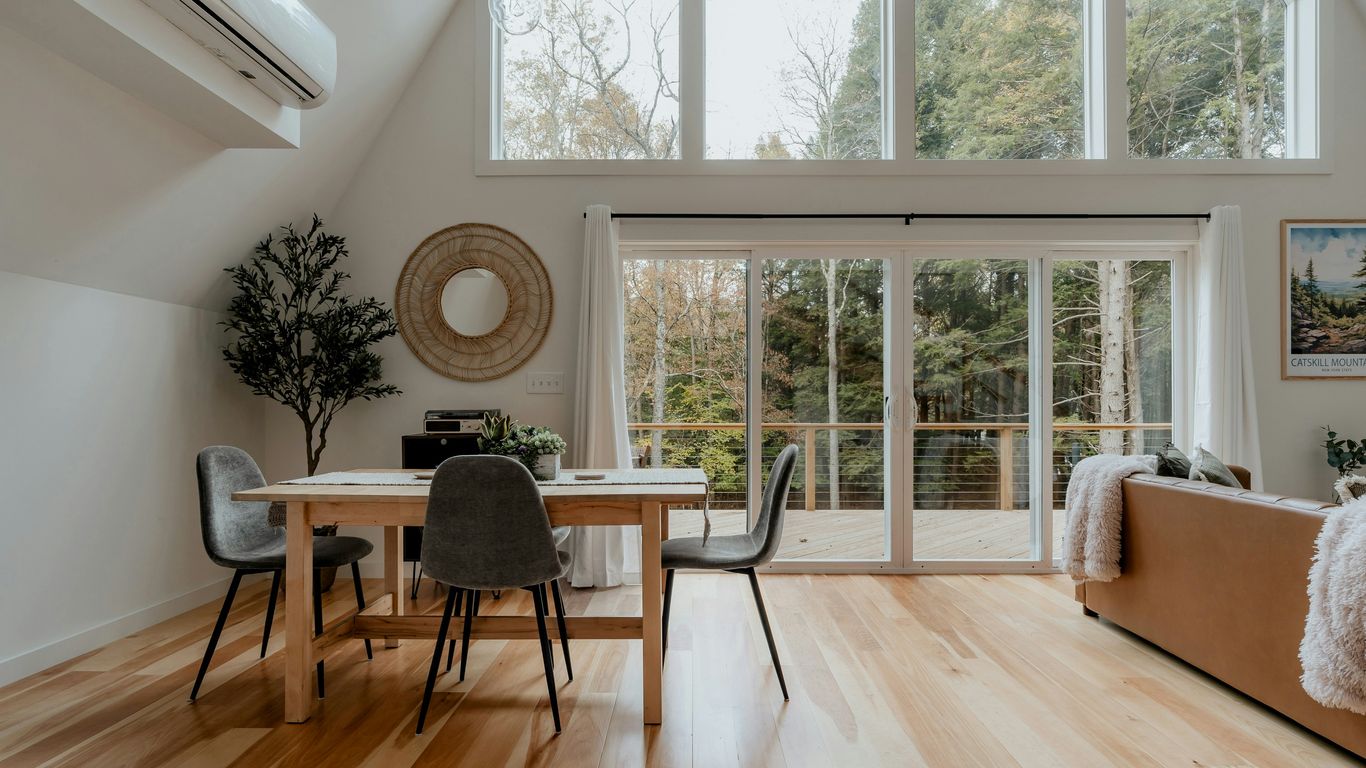
Finding the perfect balance of aesthetics and ecology can transform your house into a truly green sanctuary. Our catalog includes a vast selection of over 2,288 samples brought directly to your door, making it easier to see how each material looks under your current lighting. By choosing products with life-cycle integrity, you effectively reduce the long-term impact of your renovation.
Reclaimed hardwood for historical and modern homes
Reclaimed wood captures the unique charm of history while preventing forest depletion. It is an excellent choice for homeowners looking to add character to their property without harvesting new timber. This material provides exceptional visual warmth and character to any room in your home.
Bamboo as a rapidly renewable flooring resource
Bamboo regenerates significantly faster than traditional hardwoods, making it an incredibly popular selection for eco-conscious renovations. Its density rivals many oaks, ensuring that your floors can withstand the activity levels of a busy household. It provides a clean, modern aesthetic that fits perfectly into the evolving architectural styles of Southern California.
Cork’s natural thermal and acoustic insulation properties
Cork is harvested from the bark of trees without harming them, representing a truly sustainable resource for your interior. Beyond its softness underfoot, it provides natural sound damping properties that are ideal for bedrooms or home offices. This material keeps your living space quieter and naturally warmer during the cooler months.
Linoleum produced from natural and biodegradable ingredients
Linoleum is often misunderstood despite being a classic, earth-friendly material derived from linseed oil and wood flour. It is durable, naturally antimicrobial, and fully biodegradable at the end of its long life. Modern updates mean it now comes in a vast array of colors to match your interior design preferences.
Assessing certifications and environmental standards
Navigating industry labels can be confusing, but certifications simplify the process of verifying a product’s true impact. You should rely on standardized testing to confirm that your selected materials are safe for your family. A trusted expert can help clarify what these labels mean for your specific installation.
Identifying FSC-certified wood products
Forest Stewardship Council certification guarantees that your wood products originate from forests managed in a socially and environmentally responsible way. Prioritizing FSC-certified materials is a simple way to influence global environmental stewardship. Always ask your provider about the origin of their wood products to ensure compliance.
Checking for FloorScore and GreenGuard labels
These labels are essential for confirming that your flooring does not release high levels of harmful VOCs into your indoor air. We advocate for these standards because your family’s health during the installation process is our top priority. Ensuring a safe breathing environment is a fundamental part of a successfully completed renovation.
Understanding low-VOC and zero-VOC finishing requirements
Finishes applied to flooring planks can sometimes be the source of lingering odors or chemical off-gassing. Selecting low-VOC or zero-VOC finishes is the most effective way to avoid indoor air pollution. Most high-quality modern flooring now adheres to these strict manufacturing requirements.
Reviewing manufacturer sustainability supply chains
Understanding the supply chain behind your flooring helps you choose companies that track their carbon impact from the factory to your door. When businesses take responsibility for their entire lifecycle, it usually results in a superior, more durable product. You can hold companies accountable by selecting those that operate with transparency and care.
Minimizing your renovation carbon footprint
Reducing waste during a remodel requires careful planning and a commitment to sustainable disposal methods. Whether you need a simple floor repair or a full replacement, mindful logistics can significantly lower your environmental impact. We always work to ensure your floor repair in Los Angeles stays clean and efficient.
The environmental benefits of choosing locally sourced materials
Shipping heavy flooring across the country creates a substantial carbon footprint that adds to your renovation’s total environmental cost. Whenever possible, opting for regional distributors keeps transportation fuel usage to a minimum. Use our table below to compare the relative sustainability of common flooring choices.
| Flooring Type | Renewable Source | Typical Lifespan | Recyclability |
|---|---|---|---|
| Bamboo | High | 20-30 Years | High |
| Cork | High | 15-25 Years | High |
| Hardwood | Medium | 50+ Years | High |
Repurposing or donating existing flooring materials
Before hauling everything to the bin, consider if your old flooring can be salvaged. Your existing materials might be perfect for another homeowner or an art organization. Diverting old materials keeps construction debris out of our beautiful state landfills.
Selecting products with high post-consumer recycled content
Many modern flooring options are crafted from recycled plastic or metal, offering a second life to materials that would otherwise be discarded. We curate samples that prioritize these circular manufacturing models, giving you a wider variety of chic and sustainable options. Here is how we help you choose better:
- We audit every product for its recycled percentage prior to inclusion.
- We prioritize brands that utilize solar energy in their manufacturing plants.
- We help you forecast the lifespan to minimize the frequency of future replacements.
Long-term energy efficiency and lifecycle analysis
Choosing a floor that lasts twice as long as the alternative is essentially the most cost-effective green choice you can make. When a floor stays in your home for decades, you avoid the waste of multiple removal and install cycles. Carpet Wagon offers a reliable installation warranty so you can feel more confident in the longevity of your choice.
Working with local contractors to ensure a green installation
Selecting the right professional is just as important as selecting the right material for your home. You should always verify that your installer has a strong reputation, as seen on sites like the Better Business Bureau or through local testimonials on Yelp. A great contractor values your time, your air quality, and the environment.
Vetting Glendale flooring installers for sustainable practices
Ask potential installers about their specific strategies for reducing dust and VOC emission during the project. A commitment to transparency in their process is an excellent sign of a professional company. Qualified teams know how to protect your home while working efficiently to deliver results.
Discussing eco-friendly construction debris disposal
Good contractors manage their site waste properly, ensuring that metals, woods, and plastics are separated for recycling rather than dumped together. This keeps the workspace cleaner and adheres to local government disposal recommendations. It is a sign of a company that respects the local environment as much as their customers.
Coordinating installation timelines to protect indoor air quality
Scheduling installation during favorable weather allows for natural ventilation, which is the best way to keep your home comfortable. We help you plan your timeline so it minimizes any disruption while maximizing the health of your interior. Our professional team brings all necessary tools to the property to finalize your job efficiently.
Ensuring waste reduction throughout the project lifecycle
Accurate measurements are the best tool for preventing unnecessary material orders that later become scrap. Carpet Wagon provides precise measurement services to ensure we only order what is required for your specific space. This detail-oriented approach saves you time, money, and landfill space.
Conclusion
Choosing eco-friendly flooring in your Glendale home is an investment in both your family’s health and the region’s overall environmental stability. By focusing on sustainable materials, certified quality, and professional installation, you create a space that looks beautiful and aligns with your commitment to the planet. If you are ready to explore the best options without leaving your home, our team is here to help you get started with expert guidance.
Frequently Asked Questions
Is bamboo flooring actually better for the environment than hardwood?
Bamboo grows significantly faster than hardwood trees, reaching maturity for harvest in only a few years. Because it replenishes quickly, it is often viewed as a more rapidly renewable resource than many traditional wood species used in home construction.
How does FloorScore certification affect my indoor air quality?
FloorScore certification ensures that flooring products undergo rigorous testing for volatile organic compound emissions. Choosing these products guarantees that the air in your home remains safer and free from the long-term off-gassing sometimes found in lower-quality synthetic materials.
Can reclaimed wood flooring withstand Southern California heat?
Yes, reclaimed wood is generally quite stable because it has already acclimated and dried over years of previous use. This history makes it less prone to the sudden warping or shrinking that can sometimes challenge newer wood products in local dry humidity.
What should I do with my old flooring after a renovation?
Before discarding it, check with local donation centers or salvage yards to see if your old flooring has remaining value. Many wooden planks or tiles can be refinished and reused in other projects instead of being destined for the waste bin.
Is low-VOC flooring more expensive than traditional options?
While price can vary by manufacturer and material type, the cost gap between standard and low-VOC flooring has decreased significantly over time. Given the health benefits and potential for better air quality, many homeowners find the investment adds clear value to their renovation.
How can I verify that my flooring installer follows green practices?
Ask your potential contractor specifically about their waste management process, including how they handle site debris and what tools they use to contain dust. A truly green installer will be happy to explain their methods for minimizing the impact of their work on your home.
What is the advantage of using a shop-at-home service for flooring?
Bringing samples to your home allows you to view colors and textures in your actual living environment’s lighting. This convenience ensures you make a more accurate selection the first time, significantly reducing the likelihood of exchanges and the associated carbon cost of repeat transport.