

Table of Contents
ToggleKey Takeaways
Finding the right floor for your home is essential for longevity in high-traffic zones. Here are the core factors to consider for your space:
- Prioritize high-performance materials like porcelain tile or luxury vinyl for durability.
- Account for Pasadena’s dry, dusty climate during your material selection process.
- Ensure your subfloor is evaluated for stability before any installation begins.
- Use proper cleaning products to avoid stripping protective finishes from your new floors.
- Consider professional installation to guarantee your flooring stays under warranty for years.
Assessing your entryway needs
Your entryway acts as the primary transition zone between the outside world and your home’s interior, carrying the weight of daily movement. Assessing the specific demands of your household helps ensure you select a solution that withstands heavy foot traffic while reflecting your personal style. We always recommend considering who uses the door most frequently, from children and pets to guests entering from the neighborhood, to accurately gauge durability requirements.
Analyzing household traffic patterns
Take a moment to track your daily routine by observing where people congregate or shed gear as soon as they step inside. If you frequently host groups or have large pets, the floor will require a significantly higher wear rating than a residence occupied by a single professional. Understanding this cadence allows you to determine if you need resilient, hard-wearing surfaces or soft, comfortable flooring that still offers lasting performance.
Understanding the impact of Pasadena climate and debris
Living in Pasadena means dealing with fine dust and potential grit that can act like sandpaper on delicate floor finishes. This abrasive debris accumulates quickly, making it necessary to choose materials that handle fine particles without showing fine scratches or visible wear patterns quickly. We suggest focusing on surfaces that don’t trap dust in porous textures to keep your maintenance manageable across all seasons.
Balancing aesthetics with practical performance
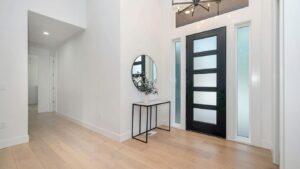
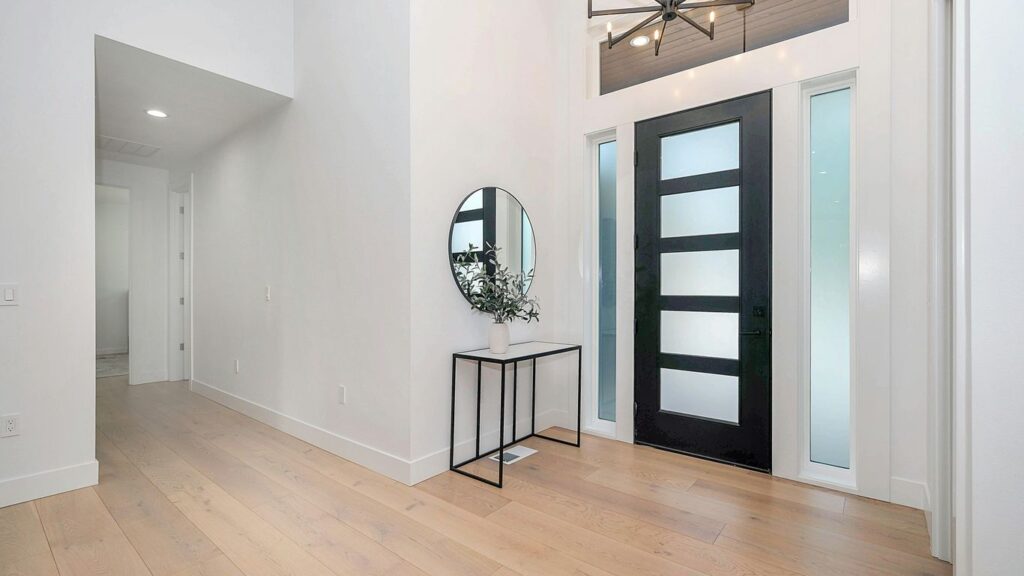
Achieving a beautiful look in your foyer doesn’t mean you have to sacrifice the ruggedness required for a high-traffic zone. You can achieve a sophisticated visual impact by selecting textures and tones that hide minor imperfections while anchoring the design of your home. It is quite common to find highly durable flooring options that successfully mimic the appearance of expensive materials, giving you the best of both worlds without the excessive upkeep.
Top material options for entryway durability
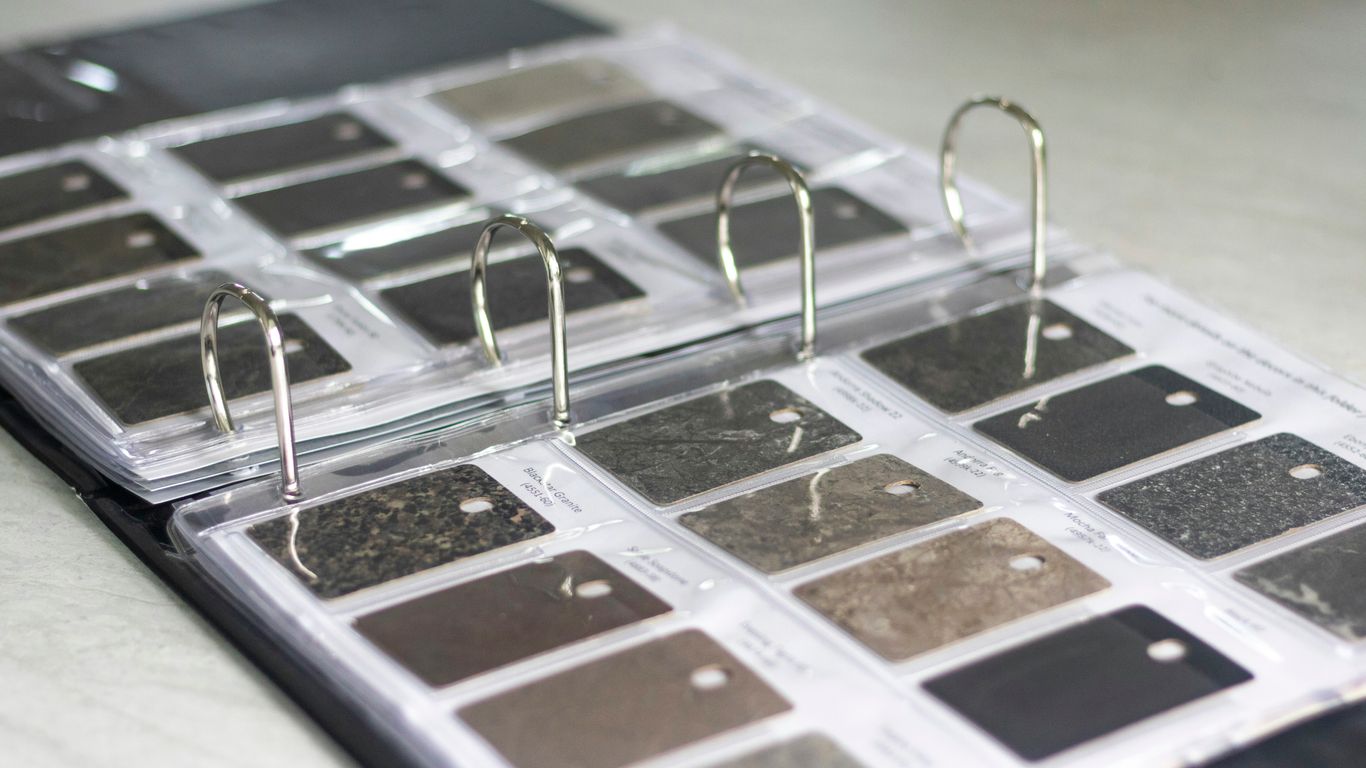
Choosing the right material is the foundation of any long-term flooring project in our local climate. While aesthetics are important, the physical composition of your choice largely dictates how the home will look after years of service. Carpet Wagon brings over 2,288 samples right to your door, allowing you to see how different materials feel underfoot and look under your unique lighting conditions.
Luxury vinyl plank for superior moisture resistance
Luxury vinyl plank is an outstanding selection for entryways plagued by wet umbrellas or muddy shoes, as it resists surface moisture effectively. It provides a stable base that won’t warp easily when exposed to the typical humidity swings seen across Los Angeles County. This material is particularly helpful for those who want the warmth of wood grain without the maintenance worries associated with organic hardwood.
Porcelain tile for scratch-resistant longevity
If you prefer a solid, cold-to-the-touch surface, porcelain tile remains a top performer, especially for those seeking scratch resistant flooring Pasadena homeowners trust. Because it is fired at extremely high temperatures, the finished product is nearly impenetrable and resists the deep nicks or gouges that soften other floor types over time. Beyond its strength, it comes in a variety of styles that can handle the constant friction of daily arrivals and departures.
Natural stone for high-end character and resilience
Natural stone offers an unparalleled aesthetic character, bringing an earthy elegance to your foyer that is difficult to replicate with synthetic mimics. While it requires a bit more care regarding sealants, its high density makes it remarkably capable of enduring the wear and tear of a busy residence. It provides a timeless appeal that often remains a focal point of home design for generations.
Matching flooring to Pasadena architectural styles
Historic homes throughout our region often dictate the design direction for interior upgrades, requiring a thoughtful balance between heritage and modern capability. You want to honors the soul of your space while integrating improvements that align with contemporary comfort needs. Connecting with a professional for a shop-at-home consultation ensures you see exactly how materials complement your existing woodwork and lighting.
Selecting materials for historic Craftsman homes
Craftsman architecture relies on deep, warm tones and honest craftsmanship that should be respected in your material choice. While traditional wood is common, modern homeowners often opt for high-quality engineered planks that offer higher moisture stability while keeping the classic, grounded aesthetic intact. Pairing these with traditional design elements ensures a seamless flow from the porch to the parlor.
Integrating modern flooring into contemporary foyers
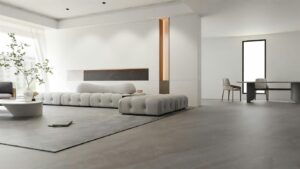
Contemporary homes benefit from clean lines and consistent material transitions that create an airy, open feel from the moment you step inside. You might consider large-format tiles or wide-plank vinyl that minimize visible grout lines or seams to enhance that sense of continuity. Matching your flooring to the rest of the house creates an integrated design that feels intentional and well-planned.
Choosing textures that bridge formal and casual designs
Texture acts as the bridge between formal elegance and the informal, active nature of a household entry point. A subtle wire-brushed finish on a plank can add just enough grip and visual depth to prevent the floor from looking sterile, while still feeling soft enough to blend with a variety of decor styles. The right texture helps the space transition gracefully from a guest-ready foyer to a functional work-from-home area.
Essential installation and subfloor considerations
Even the most expensive, durable floor will fail prematurely if the underlying structure is ignored. Evaluating the status of your subfloor ensures your investment remains flat, quiet, and secure for the entirety of its lifespan. If you notice any bounce or soft spots, these issues must be addressed by an expert before laying down the finishing layer.
Evaluating existing subfloor stability
Before you select your materials, pull up the current floor to see the condition of the wood or slab underneath. A level, dry, and stable subfloor provides the necessary support for your final aesthetic layer to resist popping, cracking, or movement. Investing time here prevents structural failures that force expensive replacements sooner than necessary.
Addressing moisture barriers in older local residences
Many older residences in our community lack adequate moisture mitigation, which can lead to rising dampness that ruins new flooring. Professional installers often recommend a specialized moisture barrier that protects your investment from the substrate up, especially in areas with varying basement or crawlspace conditions. Taking this precaution is a standard step for any quality floor repair in Los Angeles, ensuring your project is protected from the start.
Importance of professional underlayment for traffic noise
High-traffic zones often amplify the sound of footsteps, making an effective underlayment essential for peace and quiet. Padding doesn’t just manage noise control; it provides a layer of cushioning that makes the floor more forgiving if things are dropped. When hiring, you can check for a contractor’s reputation on the Better Business Bureau to ensure they are using high-grade components during the installation process.
Maintenance strategies for long-lasting floors
Routine care is the simplest way to extend the lifespan of your entryway floor, yet many residents overlook the importance of specific cleaning protocols. By building a sustainable habits, you keep your investment looking fresh while preventing the accumulation of dirt that eventually grinds down the protective finish of any material. Here are a few ways to keep floors in top shape:
- Sweep or use a microfiber dust mop daily to remove grit that scratches surfaces.
- Use a damp mop with pH-neutral solutions to avoid leaving a sticky, residue-heavy film.
- Place durable mats outside and inside every doorway to catch the bulk of outdoor debris.
- Wipe up spills immediately to prevent moisture from seeping into the subfloor or seams.
Establishing a regular cleaning schedule for high-traffic zones
Frequent cleaning in the foyer keeps the abrasive effect of walked-in dirt to a minimum. Because this area is the first point of contact, even a five-minute sweep every other day goes a long way toward preventing long-term surface degradation. Consistency is key, as it prevents fine sediment from getting worked into the texture of your floor.
Selecting appropriate cleaning products for your surface
Using a harsh cleaner can inadvertently ruin the protective wear layer of your flooring, making it more susceptible to future damage. Always consult the manufacturer’s care guidelines or your installer for an approved cleaning agent that effectively sanitizes without compromising the material integrity. A gentle, effective routine helps maintain that store-new sheen for years to come.
Implementing preventative measures like entrance matting
Strategically placing mats is the single most effective way to stop dirt before it enters your home. These mats serve as a first line of defense, trapping the majority of Pasadena’s dust and larger debris particles. Encouraging family members to leave shoes in a designated area further reduces the burden on your flooring surfaces, which often helps you gain valuable insight into potential long-term care needs when you schedule a consultation with a local expert.
Budgeting for a sustainable flooring investment
Budgeting for your renovation requires looking beyond the initial material cost to identify what kind of value the floor will provide over the next decade. Homeowners should weigh the upfront investment against the lifespan and maintenance needs of each material type. It is helpful to research prospective companies on platforms like Yelp to gauge how other residents in our Los Angeles County flooring service region perceive the value of their installations.
Comparing material costs against replacement lifespans
Understanding how much you pay versus how long it lasts defines true value in your home project. The following table provides a general look at the longevity and maintenance level of common entryway materials for planning your next budget.
| Material Type | Expected Lifespan | Maintenance Level |
|---|---|---|
| Porcelain Tile | 30+ Years | Low |
| Luxury Vinyl Plank | 15-25 Years | Very Low |
| Natural Stone | 50+ Years | Medium |
Understanding professional labor rates in Pasadena
Labor costs for flooring projects in our city are influenced by the complexity of the space and the expertise of the crew assigned to your home. Quality installation ensures that the warranty is validated and the work meets building standards, which ultimately saves you money on future repairs. A professional crew carries the necessary experience to handle tricky corners or subfloor leveling that a DIY approach often misses.
Accounting for future repair and maintenance expenses
Every floor eventually requires touch-ups, whether due to accidental damage or normal weathering. When you plan your budget, set aside a small contingency fund for specialized cleaners or professional repair services if issues emerge later in the flooring life cycle. Proactive maintenance is much cheaper than waiting for a small problem to turn into a full replacement.
Conclusion
Selecting the right entryway floor in our region is all about finding a balance between design and resilience that suits your household, ensuring that your home feels welcoming to visitors while remaining sturdy enough for your daily life. By considering material durability, proper installation techniques, and a consistent care routine, you can ensure your foyer remains a functional, attractive part of your residence for years to come.
Frequently Asked Questions
Is porcelain tile better than ceramic for high-traffic entryways?
Porcelain is generally considered superior to ceramic for entryways because it is denser and less porous, making it much more resistant to tracking, scratches, and heavy footsteps over time.
How often should I seal my natural stone entryway floors?
Natural stone floors should typically be resealed every one to two years, though this can vary depending on the stone variety and the level of foot traffic the area receives daily.
Can I install luxury vinyl plank over an existing tile floor?
Yes, luxury vinyl plank can often be installed over existing tile, provided that the surface is level and any grout lines are filled or leveled out, so they don’t telegraph through the new material.
Do I really need an underlayment for a solid wood floor?
An underlayment is highly recommended because it acts as a moisture barrier and a sound dampener, which significantly helps in protecting the wood from movement caused by subfloor fluctuations.
How do I remove deep dirt from my entryway floor texture?
For textured flooring, use a soft-bristled brush along with a manufacturer-approved cleaner to gently agitate the dirt out of the depressions before wiping it away with a cloth.
Will my entryway floor fade if it gets direct sunlight?
Many modern flooring materials come with UV-resistant coatings, but over time, direct sun can cause some color shifts, especially in organic materials, so using sheer window treatments can provide extra protection.
How can I make my entryway look larger with flooring?
Choosing lighter colors and laying planks or tiles in the direction of the longest wall can create a visual illusion of a more expansive, open space in a small foyer.