

Table of Contents
ToggleKey Takeaways
Creating a durable outdoor space requires choosing the right materials that can withstand the intense local environment while maintaining your home’s aesthetic appeal. Protecting your investment ensures that your patio remains functional and attractive for years to come.
- Select materials rated for exterior use to resist heat and UV exposure.
- Invest in proper site grading and drainage to prevent long-term structural damage.
- Regular, low-impact maintenance keeps surfaces safe and visually appealing throughout the seasons.
- Verify professional installers to ensure compliance with local standards and building regulations.
- Plan for seasonal temperature fluctuations that affect material expansion and durability.
Understanding Los Angeles climate impacts on patio floors
Designing a patio in Southern California means working around a intense sun and the occasional heavy rain. You really need to pick surfaces that handle the local weather cycles without degrading quickly. Whether you are in Santa Monica or Burbank, the right choice makes all the difference in your backyard’s longevity.
Managing high solar index and thermal expansion
High temperatures can cause certain materials to warp or crack under pressure. Many homeowners find that concrete or stone handles this thermal movement quite well, whereas some plastics might expand in ways that threaten their integrity.
Selecting UV-resistant materials to prevent color fading
The relentless sun in Los Angeles can turn vibrant materials dull and brittle over time. Choosing tiles or stones with naturally high UV resistance ensures that your patio flooring retains its deep, original pigment.
Considering fire-resistant options for wildfire-prone environments
Living in areas near wildlands means keeping fire safety at the forefront of your material choice. Stone, brick, and specialized porcelain products are excellent natural barriers because they do not ignite, offering you peace of mind throughout the summer months.
Evaluating popular outdoor patio flooring materials
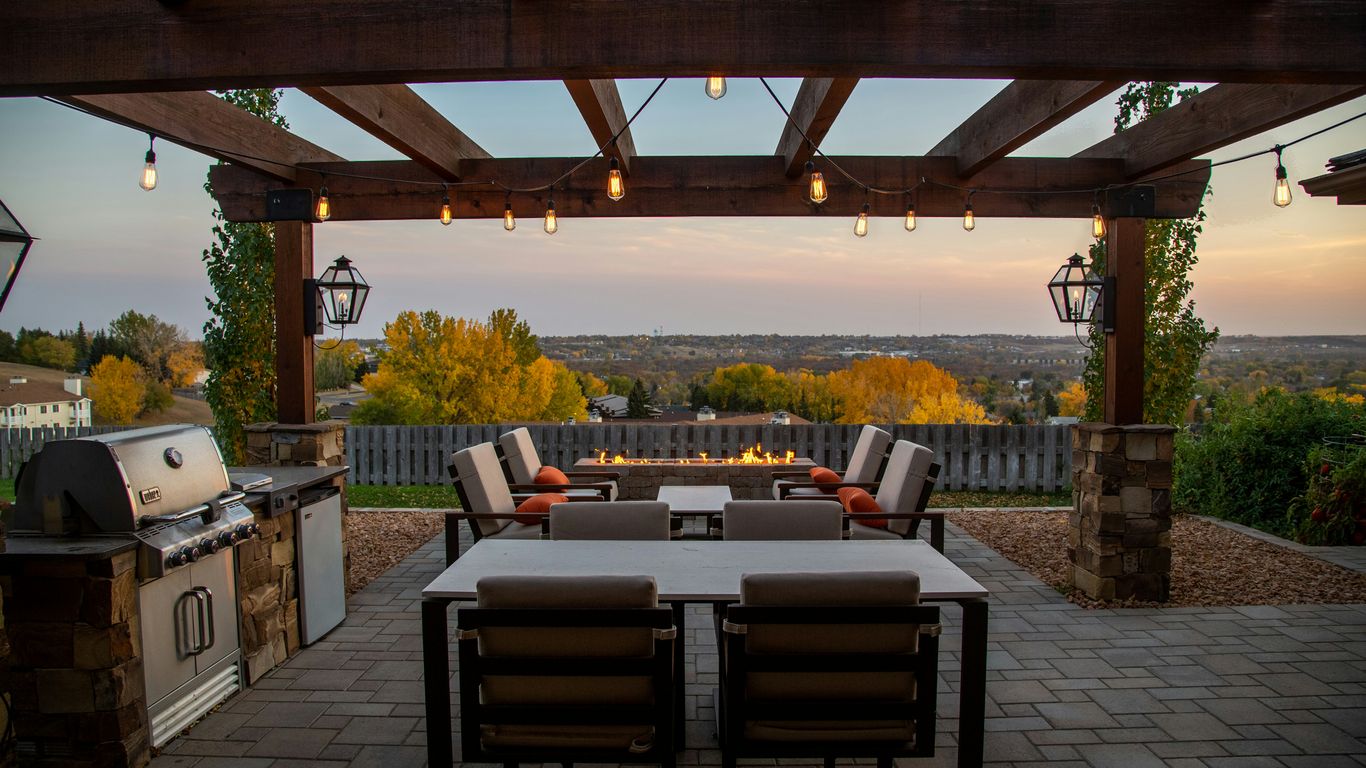
Selecting the right surface for your yard is about balancing style, traffic, and upkeep. You want a material that feels like a natural part of your home while standing up to the daily sunshine. Over my 40 years of experience, I have seen which materials hold up best in our unique climate.
The benefits of stone, brick, and concrete pavers
Natural materials like stone and brick offer a timeless, high-quality look that feels grounded in the local landscape. These materials have a high thermal mass and are very durable, making them great for heavy foot traffic.
Why porcelain tile remains a top performer for outdoor use
Porcelain is incredibly dense, which makes it perfect for resisting stains and water absorption. It comes in many styles, so you can often match your Glendale flooring store selections even for your exterior.
Embracing the aesthetics of natural wood and composite decking
We often see homeowners choose composite boards for the warmth of wood without the high maintenance of constant sanding or staining. This can be a great, consistent choice when you want to achieve a specific look across Los Angeles County flooring projects.
When to choose stamped or stained concrete for a modern look
Stamped concrete allows for a range of patterns that mimic other materials at a lower cost point. It is reliable if the concrete is installed with proper reinforcement to prevent minor cracks.
| Material | Best For | Typical Durability |
|---|---|---|
| Natural Stone | High-end aesthetics | Very High |
| Porcelain Tile | Low maintenance | High |
| Concrete Pavers | Heavy traffic areas | High |
| Wood/Composite | Cozy gathering areas | Medium |
It is important to evaluate these materials based on how you plan to use the space, especially regarding high-traffic patterns or pool proximity.
Essential site preparation and drainage requirements
Properly preparing your site is the secret to a patio that stays level for decades. Without a solid foundation, you risk shifting or cracking, which would later require you to call for floor repair in Los Angeles to correct the damage.
Ensuring proper grading to prevent water pooling
Your patio should slope away from your home’s foundation to keep moisture from entering your crawlspace or basement. A gentle slope is often enough to keep the surface dry during the wetter winter months.
Understanding sub-base construction for structural integrity
A stable sub-base is essential for distributing the weight of your furniture and foot traffic evenly. You should look for:
- Compacted crushed gravel for drainage and stability.
- Appropriate sand bedding to prevent pavers from shifting.
- Weeding barriers underneath to prevent growth push-up.
- Professional compaction to avoid future sinking of the surface.
Installing these layers correctly during the build phase ensures that the surface remains stable over many years of usage.
Planning for localized drainage solutions during the rainy season
If you have a flat yard, adding a French drain or hidden gutter system helps capture runoff. These systems prevent standing water from creating a slippery hazard on your brand-new patio floor.
Maintenance strategies for long-lasting patio surfaces
Regular care is the best way to protect your investment and ensure it stays safe for your family. A proactive approach helps you avoid the need for unnecessary replacements.
Routine cleaning techniques for different flooring materials
Sweeping away debris prevents grime from settling into the pores of stone or concrete. Occasional pressure washing with a gentle setting can clear away dirt buildup without damaging the material surface.
Addressing mold and mildew common in coastal microclimates
If your backyard stays shaded or damp, you might notice green spots or stubborn mildew. Using a pH-neutral cleaner specifically designed for outdoor materials helps keep these issues in check.
Balancing regular sealing requirements with material type
Not every surface needs persistent sealing, but porous materials like natural stone often benefit from yearly maintenance. Check the manufacturer’s recommendations to make sure you use the right product for your specific installation.
Managing weed growth between pavers or tiles
Weeds can work their way through the best-planned gaps, creating an untidy appearance. Using specialized grouts that resist plant growth during the initial installation helps keep things cleaner for longer.
Navigating installation choices and professional standards
Choosing a professional gives you confidence knowing the work is done to code. Whether you look up contractors on the Better Business Bureau or check reviews on Yelp, the goal is finding someone who stands behind their work.
DIY versus professional installation considerations
While DIY appeals to some, complex grading and heavy material lifting often point toward professional help. Carpet Wagon offers a shop-at-home service that simplifies the selection and consultation process.
Verifying contractor licensing for outdoor hardscape projects
Always ask for proof of a valid contractor license before starting any sizable project. This ensures your installer knows the regional building codes regarding safety and structural design.
Navigating local HOA regulations and municipal permits
Check with your local building office or HOA board to see if there are specific material requirements or site coverage limits. Staying compliant from the start prevents costly rework later.
Estimating total project costs for Los Angeles backyards
Costs vary significantly based on material choice and the complexity of the landscape preparation. A professional consultation provides a detailed, accurate quote that accounts for your specific site conditions.
Designing your outdoor space for style and function
Your patio is an extension of your home, and finding the right flooring samples helps you visualize how it will tie everything together. You want your outdoors to feel as comfortable as your living room.
Matching floor texture to your interior design style
Texture impacts both the look and the feel of your space, especially when walking barefoot. Choosing a finish that complements your interior flooring creates a smooth visual flow that ties the two worlds together.
Choosing non-slip materials for pool and spa areas
Safety is paramount when water is involved. You should prioritize surfaces that provide grip even when wet to prevent accidents during those fun weekend pool parties.
Creating seamless transitions between indoor and outdoor living
Using similar materials or matching color palettes helps make the transition through sliding glass doors feel like an intentional design choice. This elevates the entire aesthetic of your home.
Factoring in furniture weight and heavy-use patterns
Heavier patio furniture, like wrought iron benches or built-in stone grills, requires a very stable flooring surface. Ensuring your tiles can support heavy loads is critical to long-term patio success.
Conclusion
Creating a sophisticated and long-lasting patio floor in Southern California is completely achievable with the right planning, quality materials, and professional guidance. By focusing on durability, proper drainage, and consistent maintenance, you turn your backyard into a reliable retreat that stands up to our unique climate. I always suggest starting with an expert consultation to see what materials look and feel best in your specific backyard setting.
Frequently Asked Questions
Which patio material works best for high-traffic areas?
Concrete pavers and natural stone are generally considered the best choices for high-traffic areas, as they are durable and resist wear over long periods.
Do I need to seal my outdoor patio floors?
It depends on the material, as natural stone usually requires regular sealing, whereas porcelain or high-density concrete may need minimal to no maintenance depending on the finish.
How do I prevent water from pooling near my house foundation?
You must ensure proper grading that slopes away from the home and consider installed drainage systems like French drains if your yard is relatively flat.
Can I install outdoor flooring over an existing concrete slab?
Yes, provided the existing slab is structurally sound, clean, and level; otherwise, you might need to resurface or prep the concrete to ensure a smooth, lasting bond.
What should I consider if my patio is near a pool?
You should always look for slip-resistant textures and materials that remain cool underfoot, even on those hot summer days common in the region.
How can I make my indoor and outdoor spaces look seamless?
Using materials with similar colors, tones, or textures can help create a cohesive flow, particularly if they are installed at the same height to minimize thresholds.
How often should I clean my patio flooring?
A basic, regular sweeping keeps debris at bay, while a deeper clean with water or a mild cleaner a few times a year is usually sufficient to handle dirt and environmental buildup.